The Starbucks Pink Drink Copycat Recipe from 40 Aprons offers a delightful way to enjoy a popular, refreshing beverage with a homemade touch. This recipe is perfect for anyone looking to recreate that vibrant, fruity flavor without a daily trip to the coffee shop, making it an accessible and enjoyable treat for everyday wellness.
It’s particularly relevant for those who appreciate lighter, fruit-infused beverages and are interested in a simpler, potentially more cost-effective alternative to their usual café order. This article will guide you through the simple ingredients and steps needed to make this delicious drink at home, offering a satisfying and visually appealing option to brighten your day. We’ll focus on a straightforward approach to enjoying this popular beverage responsibly.

Starbucks Pink Drink Copycat Recipe: A Wholesome Take
The Starbucks Pink Drink has become a wildly popular beverage, celebrated for its vibrant color and refreshing taste. But what exactly is this trendy concoction, and can we recreate its appeal in a healthier, more accessible way at home? This article delves into the essence of the Pink Drink, explores the factors that might influence our desire for such treats, and offers practical ways to incorporate healthier habits into our daily lives, all while demystifying common misconceptions and highlighting when professional guidance is truly needed.
Understanding the Pink Drink: More Than Just a Pretty Color
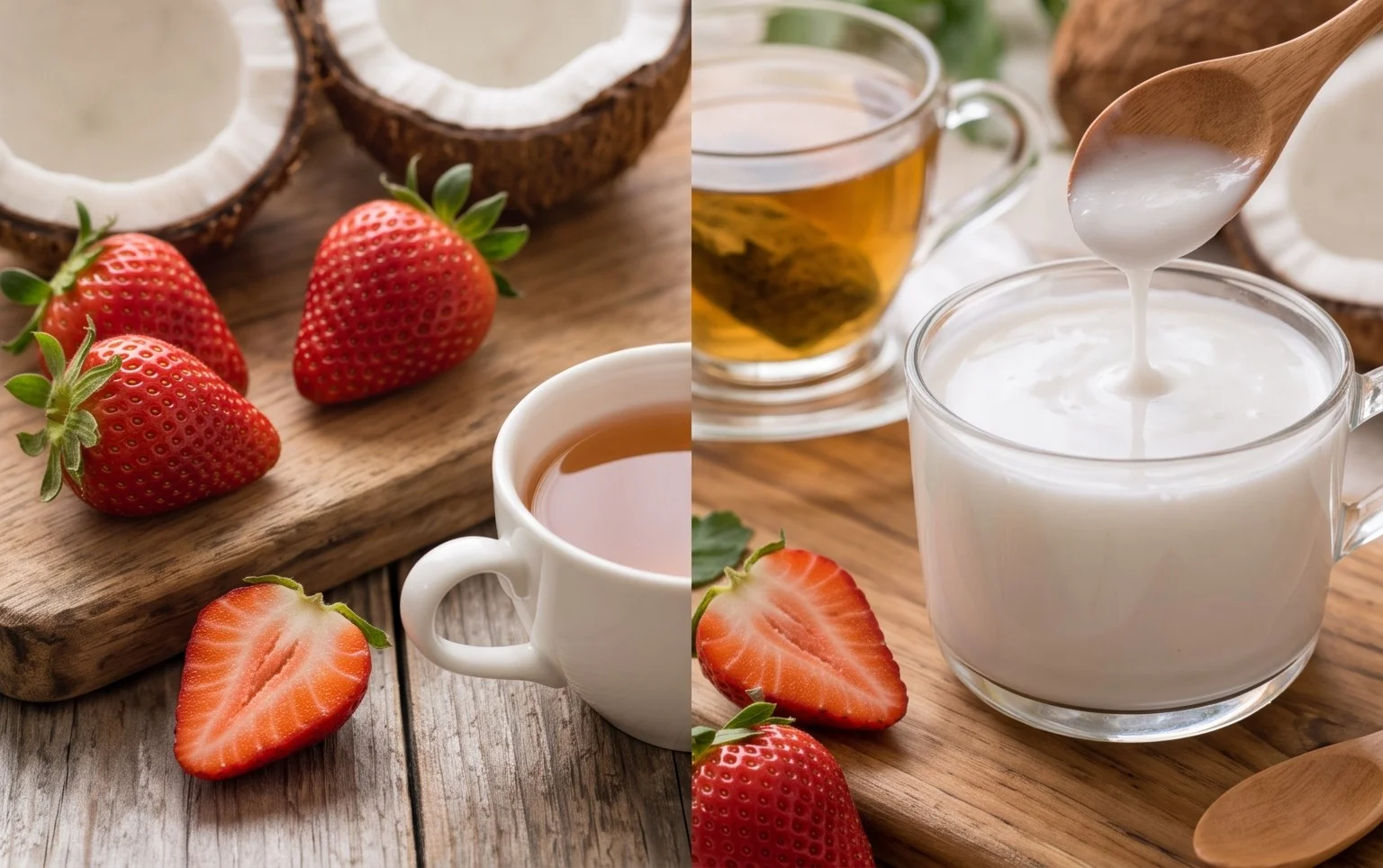
In plain language, the Starbucks Pink Drink is a non-dairy beverage primarily composed of a strawberry acai refresher base, mixed with coconut milk and freeze-dried strawberries. The “refresher base” itself is a blend of water, sugar, white grape juice concentrate, natural flavors, citric acid, natural green coffee flavor (for a caffeine boost), and fruit and vegetable juice for color. When combined with creamy coconut milk, it creates a visually appealing and delicately sweet drink with a fruity, slightly tart profile.
The appeal of the Pink Drink, and similar brightly colored beverages, often stems from a combination of sensory experiences and psychological cues. The visual allure is undeniable; the vibrant pink hue is inherently attractive and can evoke feelings of happiness, novelty, or even a desire for indulgence. Beyond aesthetics, the sweetness and fruitiness cater to our innate preference for these flavors, which are often associated with pleasure and reward. For many, it’s also a social experience, a trendy item shared on social media or enjoyed with friends.
Factors Influencing Our Choices
Several common signs or factors might lead someone to seek out beverages like the Pink Drink. These can include:
* A desire for a sweet treat or an indulgence.
* Seeking a refreshing beverage on a warm day or after physical activity.
* The influence of social trends and peer recommendations.
* Looking for a caffeine pick-me-up without the intensity of a traditional coffee.
* An aesthetic appeal that sparks joy or curiosity.
* A perceived “healthier” alternative to other sugary drinks due to its non-dairy base or fruit content.
General Guidance for Healthier Choices
Health authorities generally advocate for a balanced approach to diet and hydration. The overarching guidance emphasizes:
* Prioritizing water as the primary beverage for hydration.
* Limiting the intake of added sugars, which are often found in sweetened beverages.
* Consuming a variety of fruits and vegetables for essential nutrients.
* Being mindful of portion sizes and the overall calorie content of foods and drinks.
* Reading nutrition labels to make informed choices about ingredients and sugar content.
When considering beverages like the Pink Drink, general advice suggests being aware of the sugar content, even in fruit-based drinks. While the fruit components offer some nutritional value, the added sugars in many commercial versions can contribute to excessive sugar intake. The coconut milk, while a good dairy-free option, also adds calories and fat.
Practical Everyday Habits to Embrace
Adopting healthier habits doesn’t require drastic overhauls. Small, consistent changes can make a significant difference. Here are some practical everyday habits you can act on:
* **Hydrate with Water:** Make water your go-to beverage. Carry a reusable water bottle and sip throughout the day. Infuse your water with fruits like lemon, cucumber, or berries for a subtle flavor boost without added sugar.
* **Embrace Whole Fruits:** Instead of sugary juices or flavored drinks, enjoy whole fruits. They provide fiber, vitamins, and natural sweetness. A bowl of fresh strawberries, for example, offers a similar flavor profile to the Pink Drink’s key ingredient in a much healthier package.
* **Mindful Sweetening:** If you crave sweetness, opt for natural sources like fruit. When preparing drinks at home, consider using a minimal amount of natural sweeteners like honey or maple syrup, and use them sparingly.
* **DIY Refreshers:** Create your own refreshing drinks at home. Blend unsweetened coconut milk with fresh or frozen strawberries and a touch of acai powder or juice. This allows you to control the ingredients and sugar content.
* **Listen to Your Body:** Pay attention to your body’s signals. Are you truly thirsty, or are you reaching for a drink out of habit or boredom? Identifying the underlying reason can help you make more appropriate choices.
* **Portion Control:** Be mindful of how much you consume, even with healthier options. Enjoying a smaller portion of a treat can satisfy a craving without overdoing it.
What the Evidence Supports (and Doesn’t)
The evidence strongly supports the benefits of hydration with water and the consumption of whole fruits and vegetables. These form the cornerstone of a healthy diet. The impact of limiting added sugars on overall health, including reducing the risk of chronic diseases, is also well-established by scientific research.
However, the evidence specifically around the “Pink Drink” as a beverage is less direct. While it contains some fruit, the nutritional benefits are often overshadowed by the added sugars and processed ingredients in commercial versions. The caffeine from the green coffee extract offers a mild stimulant effect, but this is also present in many other beverages and not unique to the Pink Drink.
What the evidence *doesn’t* support is the idea that the Pink Drink, in its commercial form, is a significant source of essential nutrients or a primary component of a healthy diet. While it may offer a temporary mood lift or a pleasant sensory experience, it should be viewed as an occasional treat rather than a staple. Claims that it offers specific health benefits beyond refreshment are generally not supported by robust scientific data.
Common Myths Worth Correcting
Several myths surround beverages like the Pink Drink:
* **Myth 1: It’s a healthy alternative to soda.** While it might contain some fruit, many commercial versions have comparable or even higher sugar content than some sodas, particularly when considering the added sugars.
* **Myth 2: The fruit content makes it inherently healthy.** While fruit is good, the processing and added sugars in many flavored beverages can negate some of the benefits. Whole fruit is always a better choice.
* **Myth 3: It’s a significant source of vitamins and minerals.** While there might be trace amounts from the fruit, it’s not a reliable or substantial source of these essential nutrients.
When to Seek Professional Guidance
While enjoying a Pink Drink occasionally is unlikely to cause harm for most people, there are clear signs that indicate it’s time to speak with a qualified healthcare professional. These signs are not directly related to the Pink Drink itself, but rather to underlying health concerns that might be influencing your dietary choices or overall well-being:
* **Persistent cravings for sweet foods and drinks:** If you find yourself constantly craving sugary items, it might indicate an underlying issue with blood sugar regulation or nutrient deficiencies.
* **Unexplained fatigue or energy fluctuations:** While the Pink Drink provides a temporary caffeine boost, persistent fatigue could signal other health problems.
* **Changes in appetite or weight that are not intentional:** Significant and unexplained shifts in your eating habits or weight can be indicators of health issues.
* **Digestive problems that are new or worsening:** If you experience persistent bloating, discomfort, or changes in bowel habits, it’s worth discussing with a doctor.
* **Concerns about your overall diet and its impact on your health:** If you are worried about your current eating patterns and how they might be affecting you, a professional can offer personalized advice.
* **Pre-existing health conditions:** If you have conditions like diabetes, heart disease, or kidney issues, it is especially important to discuss your dietary choices with your doctor or a registered dietitian.
Consult a Qualified Healthcare Professional
This article provides general information and practical tips. However, individual health needs and dietary requirements vary greatly. If you have any concerns about your health, diet, or specific beverages, it is crucial to consult with a qualified healthcare professional, such as a doctor or a registered dietitian. They can assess your individual situation, provide personalized advice, and help you make informed decisions about your health and wellness journey. They can also help you understand how specific ingredients and dietary patterns may affect your unique body and health goals.
Conclusion
Creating your own delicious Starbucks Pink Drink copycat recipe at home is a wonderful way to enjoy a refreshing treat while being mindful of your wellness journey. The key takeaways are the simplicity of the ingredients and the ability to customize sweetness and portion sizes. Remember, fostering good health is often about making small, sustainable changes that fit seamlessly into your lifestyle. This recipe is a delightful example of how you can achieve that.
Please note that this information is for general guidance only and should not replace professional medical advice. If you have any health concerns, always consult with a qualified healthcare provider. We encourage you to explore other related articles on healthy beverage alternatives and mindful eating to continue your path towards a balanced and vibrant lifestyle.