DIY after sun lotion is a wonderful way to soothe and nourish your skin after a day spent outdoors. In our sunny climate, spending time in nature is a part of everyday life, and with that comes the potential for skin irritation from sun exposure. This simple, homemade approach offers a gentle, effective way to help your skin recover.
This article is particularly relevant for anyone who enjoys outdoor activities, from weekend gardeners and beachgoers to families with active children. It’s for those seeking natural, customizable options for their skincare routine.
We’ll explore the benefits of using natural ingredients, discuss some common and effective components for a soothing lotion, and provide simple, easy-to-follow recipes. You’ll learn how to create your own calming blend to help your skin feel comfortable and refreshed.
Soothing Relief: Crafting Your Own DIY After Sun Lotion
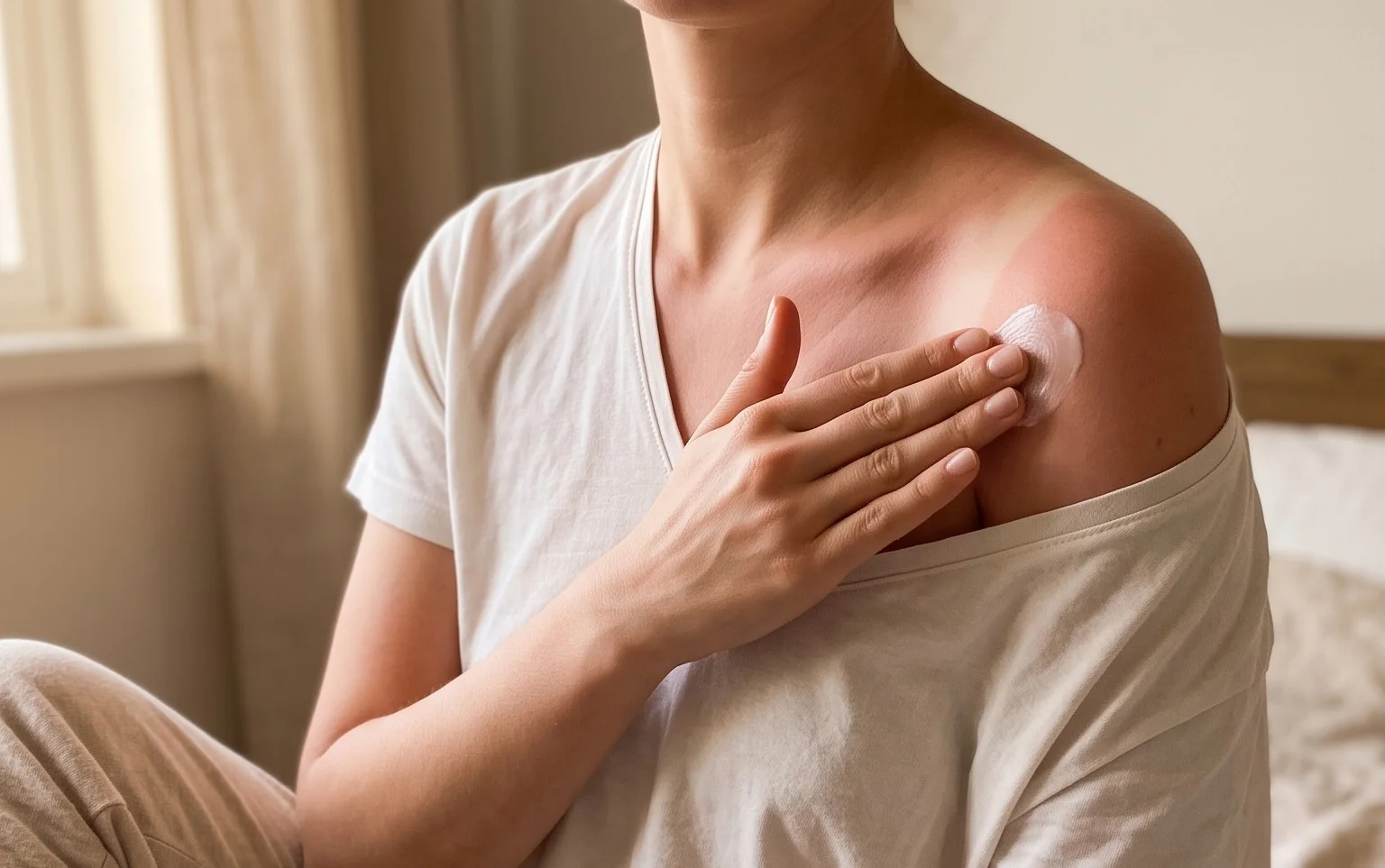
The sun is a wonderful source of vitamin D and can lift our non-alcoholic spirits, but too much exposure without adequate protection can leave our skin feeling hot, red, and uncomfortable. While commercial after-sun lotions are readily available, many people are exploring the benefits of creating their own. A DIY after-sun lotion is simply a homemade preparation designed to cool, moisturize, and help soothe skin that has been overexposed to the sun. These recipes often leverage natural ingredients known for their calming and hydrating properties, offering a personalized approach to post-sun care. The goal is to provide a gentle, nourishing balm that can bring relief without the complexity of store-bought products.
Understanding Sunburn and Its Triggers
Sunburn isn’t just a temporary discomfort; it’s a sign of skin damage caused by ultraviolet (UV) radiation from the sun. Understanding the common signs and factors that contribute to sunburn can help in its prevention and management.
Common Signs and Factors of Sunburn:
*
Redness:
The most obvious sign, indicating inflammation and increased blood flow to the affected area.
*
Heat:
The skin feels warm or hot to the touch.
*
Tenderness or Pain:
The sunburned area is sensitive and may be painful when touched.
*
Swelling:
Mild to moderate swelling can occur, especially in more severe cases.
*
Itching:
As the skin begins to heal, itching can become prominent.
*
Blisters:
These are a sign of a second-degree sunburn and indicate more significant damage.
*
Peeling Skin:
Occurs as the damaged outer layers of skin shed and are replaced by new skin.
Several factors increase the likelihood of getting sunburned:
*
Skin Type:
Individuals with lighter skin tones, fair hair, and light-colored eyes generally burn more easily than those with darker skin.
*
Time of Day:
UV radiation is strongest between 10 AM and 4 PM.
*
Altitude:
UV rays are more intense at higher altitudes.
*
Reflection:
Surfaces like water, sand, and snow can reflect UV rays, increasing exposure.
*
Medications:
Certain medications can make the skin more sensitive to sunlight.
*
Clouds:
Even on cloudy days, up to 80% of UV rays can penetrate the clouds.
*
Sunbed Use:
Artificial UV sources can cause severe burns.
General Guidance for Sun Protection and After-Sun Care
Health authorities universally emphasize the importance of sun protection to prevent sunburn and long-term skin damage, including premature aging and an increased risk of skin cancer. When it comes to after-sun care, the general guidance focuses on cooling the skin, rehydrating it, and promoting healing.
Key Recommendations from Health Authorities:
*
Seek Shade:
Especially during peak UV hours.
*
Wear Protective Clothing:
Including long-sleeved shirts, pants, wide-brimmed hats, and UV-blocking sunglasses.
*
Use Sunscreen:
Apply broad-spectrum sunscreen with an SPF of 30 or higher generously and reapply every two hours, or more often if swimming or sweating.
*
Cool the Skin:
After sun exposure, cool the skin with a lukewarm or cool shower or bath.
*
Moisturize:
Apply a gentle, hydrating moisturizer to help soothe and replenish the skin. Look for ingredients like aloe vera, glycerin, or hyaluronic acid.
*
Stay Hydrated:
Drink plenty of water to help the body recover and to keep the skin hydrated from the inside out.
*
Avoid Further Sun Exposure:
Until the sunburn has completely healed.
When creating a DIY after-sun lotion, these general principles can guide ingredient selection and application. The aim is to mirror the soothing and hydrating effects recommended by health professionals.
Practical Everyday Habits for Sun-Kissed (Not Sunburned) Skin
The best approach to after-sun care is proactive prevention. Incorporating simple, everyday habits can significantly reduce the need for extensive after-sun treatment.
Habits for Healthy Sun Exposure:
*
Consistent Sunscreen Application:
Make applying sunscreen a non-negotiable part of your daily routine, even on cloudy days or when you’re indoors near windows.
*
Strategic Timing:
Plan outdoor activities for early morning or late afternoon to avoid the most intense sun.
*
Seek Natural Shade:
Utilize trees, umbrellas, or covered patios whenever possible.
*
Cover Up:
Keep a light, long-sleeved shirt, a wide-brimmed hat, and sunglasses easily accessible for spontaneous outings.
*
Hydrate Regularly:
Sip water throughout the day, especially when spending time outdoors.
*
Mindful Eating:
Incorporate foods rich in antioxidants, such as berries, leafy greens, and tomatoes, which can offer some internal protection against sun damage.
*
Gentle Cleansing:
After a day outdoors, cleanse your skin gently to remove sweat, sunscreen, and environmental debris without stripping its natural oils.
These habits not only protect your skin from sunburn but also contribute to overall skin health and reduce the cumulative damage from UV exposure over time.
The Evidence Behind DIY After-Sun Ingredients
When venturing into DIY after-sun lotion, understanding what ingredients are supported by evidence is key. Many natural ingredients have been traditionally used for their skin-soothing properties, and some have scientific backing.
What the Evidence Supports:
*
Aloe Vera:
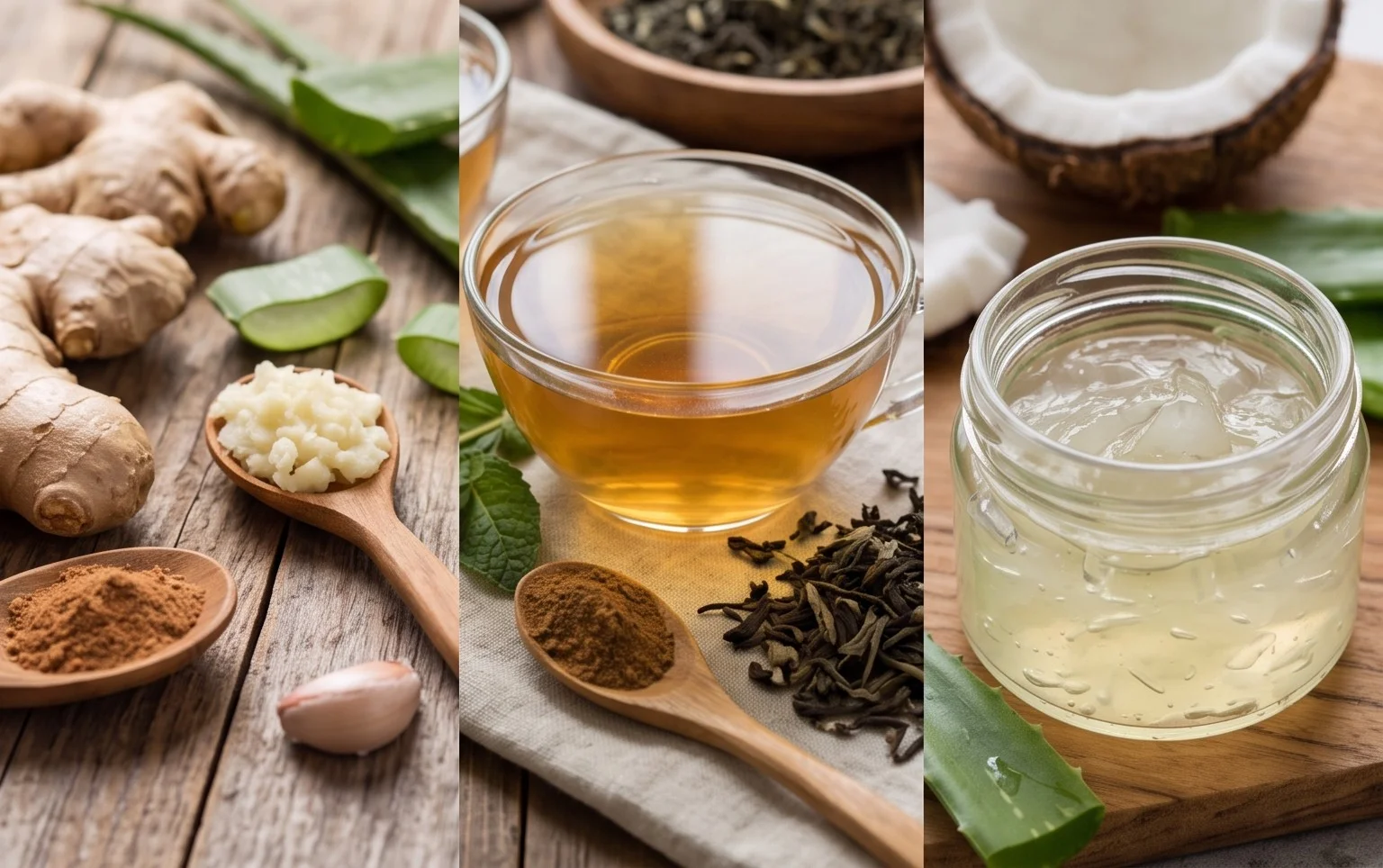
This gel-like substance, extracted from the aloe plant, is well-known for its cooling, anti-inflammatory, and moisturizing properties. Studies suggest it can help reduce redness and promote healing in minor burns.
*
Cucumber:
Known for its high water content, cucumber can provide a cooling and hydrating effect. It’s often used in topical applications to soothe irritated skin.
*
Oatmeal (Colloidal Oatmeal):
Colloidal oatmeal has anti-inflammatory and anti-itch properties. It can help to calm and soothe skin that is red and irritated.
*
Coconut Oil:
While coconut oil is a good moisturizer and can help to prevent the skin from drying out, its use immediately after a sunburn is debated. It can help to lock in moisture once the initial heat has dissipated.
*
Shea Butter/Cocoa Butter:
These butters are excellent emollients, providing deep moisturization and helping to restore the skin’s barrier function. They are best used once the initial inflammation has subsided.
What the Evidence Does Not Support (or is Limited):
*
Using DIY mixtures as a primary form of sun protection:
Homemade preparations are not a substitute for proven sun protection methods like sunscreen and protective clothing.
*
Certain essential oils for direct application on sunburned skin:
While some essential oils have beneficial properties, they can be potent and may cause irritation or photosensitivity when applied to damaged or inflamed skin, especially without proper dilution and understanding. Always use with extreme caution and thoroughly research their safety for topical use on compromised skin.
*
Unproven or exotic ingredients without scientific backing:
Relying on ingredients with no established scientific evidence for skin soothing or healing can be ineffective or even detrimental.
Common Myths About Sunburn and After-Sun Care Worth Correcting
The world of sun care is rife with misinformation. Dispelling these common myths can lead to more effective and safer practices.
Debunking Common Myths:
*
Myth: You can’t get sunburned on a cloudy day.
Correction:
UV rays can penetrate clouds, so sun protection is still necessary even when the sun isn’t visible.
*
Myth: Darker skin doesn’t need sunscreen.
Correction:
While darker skin has more melanin, offering some natural protection, it can still burn and is susceptible to sun damage and skin cancer. Sunscreen is important for everyone.
*
Myth: You only need sunscreen if you plan to be in direct sun for a long time.
Correction:
Cumulative sun exposure matters. Even short periods in the sun, repeated daily, can lead to damage.
*
Myth: Sunburn is just a tan that got out of hand.
Correction:
Sunburn is a sign of skin damage, not a healthy glow. It indicates that your skin has been harmed by UV radiation.
*
Myth: Applying butter or oil to a sunburn will help it heal faster.
Correction:
While some oils and butters can moisturize, applying them immediately to a hot, inflamed sunburn can trap heat and potentially worsen the burn or increase the risk of infection. Gentle, cooling applications are generally preferred initially.
*
Myth: You can “reverse” sunburn damage with a single application of a strong product.
Correction:
Sunburn damage takes time to heal. After-sun care aims to soothe, moisturize, and support the skin’s natural healing process.
When to Seek Professional Advice
While DIY after-sun lotions can be a wonderful way to soothe mild sunburn, it’s crucial to recognize when professional medical attention is necessary. Your well-being is paramount, and a qualified healthcare professional can provide accurate diagnosis and treatment.
Signs That Warrant a Visit to a Doctor or Dermatologist:
*
Severe Pain:
If the sunburn is excruciatingly painful and not relieved by over-the-counter pain relievers.
*
Extensive Blistering:
If large areas of skin are covered in blisters, especially if they appear to be deep or are on sensitive areas like the face.
*
Signs of Infection:
Including increased redness, swelling, warmth, pus, or fever.
*
Fever and Chills:
These can be indicators of a more systemic reaction to significant sun exposure.
*
Headache, Nausea, or Vomiting:
These symptoms, especially when accompanied by severe sunburn, could indicate heatstroke or severe dehydration.
*
Sunburn on an Infant or Young Child:
Young children’s skin is particularly delicate, and sunburn can be more serious. Always consult a pediatrician.
*
Recurring Severe Sunburns:
Frequent and severe sunburns significantly increase your risk of skin cancer and warrant a discussion with a healthcare provider about prevention strategies and skin checks.
*
Any Concerns About Your Skin:
If you have any doubts or persistent issues related to sun exposure or skin health, don’t hesitate to reach out to a medical professional.
Consult a Qualified Healthcare Professional for Personal Advice
It is important to remember that while this article provides general information about DIY after-sun lotions and sun safety, it is not a substitute for personalized medical advice. Everyone’s skin is different, and individual reactions to ingredients can vary. Before trying any new DIY skincare preparation, especially if you have pre-existing skin conditions, allergies, or are pregnant or breastfeeding, it is highly recommended to consult with a qualified healthcare professional, such as a dermatologist or your primary care physician. They can offer tailored guidance based on your specific health needs, skin type, and any potential contraindications. They can also provide accurate diagnoses for skin concerns and recommend the most appropriate treatment plans.
Conclusion
Embracing a DIY after sun lotion is a simple yet effective way to nurture your skin after a day in the sun. Remember the key ingredients like aloe vera and soothing oils, and feel empowered by creating your own natural remedy. Instead of aiming for grand gestures, focus on these small, sustainable changes that contribute to your overall well-being. This guide provides general information for your convenience; however, it is crucial to remember that this is not a substitute for professional medical advice. Always consult with a healthcare provider for any specific health concerns. We encourage you to continue exploring our site for more wellness tips and natural skincare solutions.