Pink Pineapple Smoothie is a delightful and refreshing way to boost your daily well-being. This vibrant blend combines the tropical sweetness of pineapple with the unique color and nutrients of red or pink pineapple, offering a delicious dose of vitamins and antioxidants. Incorporating this smoothie into your routine can be a simple yet effective step towards supporting your body’s natural functions and promoting a feeling of vitality.
This naturally sweet and nourishing drink is particularly relevant for anyone looking to add more plant-based goodness to their diet, seeking a healthy breakfast option, or wanting a satisfying afternoon pick-me-up. Our article will explore the key ingredients, their potential benefits, and simple ways to customize your own Pink Pineapple Smoothie. We aim to provide you with factual information to help you make informed, healthy choices.
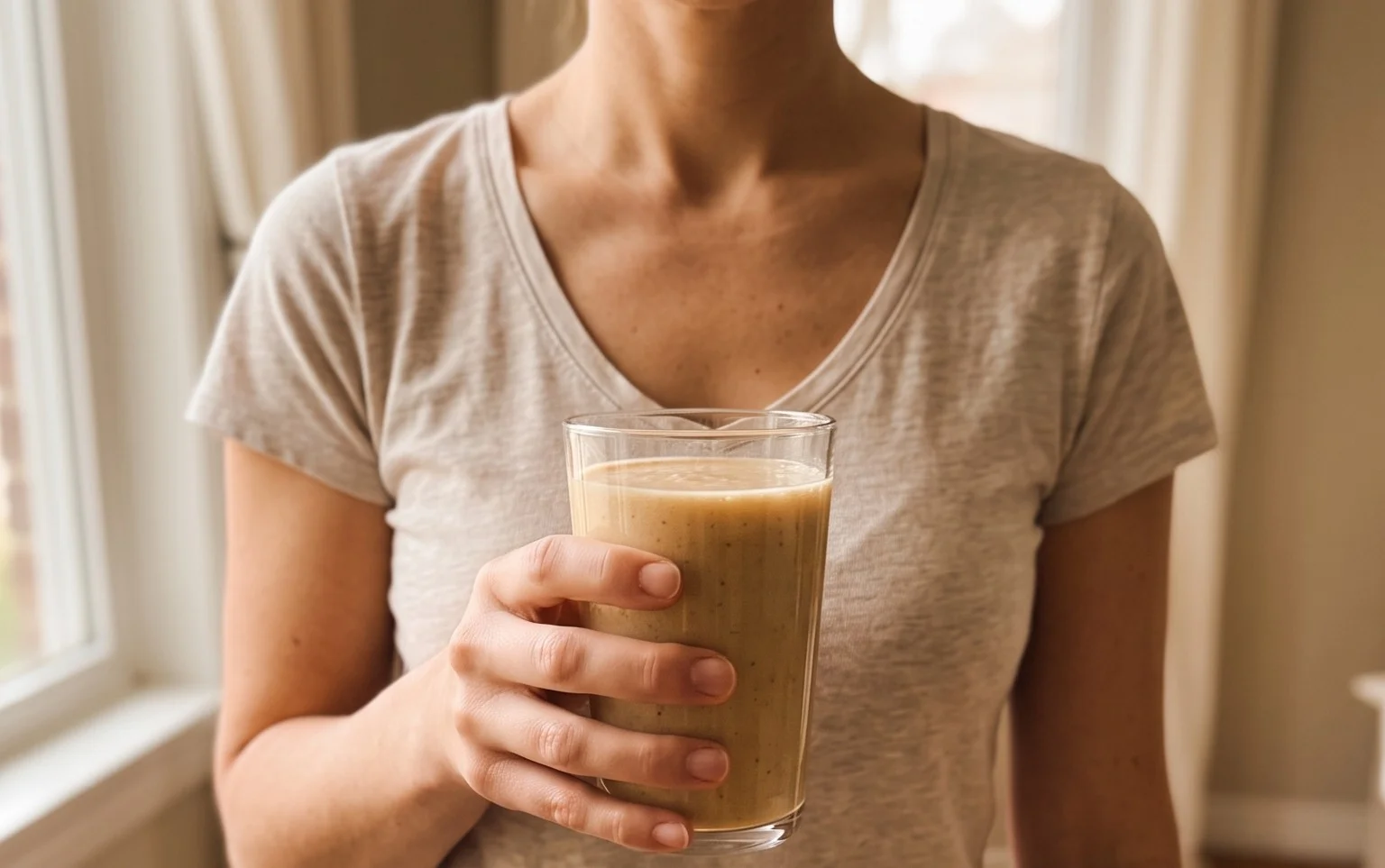
The Pink Pineapple Smoothie: A Delicious Dive into Health Benefits and What to Know
The vibrant hue and tropical taste of a pink pineapple smoothie might immediately suggest a treat, but it also hints at a nutritional powerhouse. This delightful concoction, typically made with pineapple, often incorporates ingredients like berries, dragon fruit, or even beetroot, lending it that characteristic pink blush and a host of potential health advantages. Beyond its appealing aesthetics, the pink pineapple smoothie can be a refreshing and effective way to boost your intake of essential vitamins, minerals, and antioxidants.
What Exactly is a Pink Pineapple Smoothie?
In plain language, a pink pineapple smoothie is a blended beverage that features pineapple as a primary ingredient, enhanced by other fruits, vegetables, or liquids to achieve its distinctive pink coloration. Think of it as a nutrient-dense milkshake, but made with wholesome, natural ingredients. The base is usually fresh or frozen pineapple, which provides a sweet, tangy, and slightly acidic flavor profile. The “pink” element can come from a variety of sources, each contributing its own unique set of nutrients and benefits. Common additions include:
* **Berries:** Strawberries, raspberries, and cranberries are rich in antioxidants and vitamin C, and naturally lend a beautiful pink or red hue.
* **Dragon Fruit (Pitaya):** Particularly the red-fleshed variety, dragon fruit offers a mild sweetness and a vibrant magenta color, along with fiber and vitamin C.
* **Beetroot:** A small amount of cooked or raw beetroot can impart an intense pink or red color and a subtle earthy sweetness. Beets are known for their nitrates, which may support cardiovascular health.
* **Watermelon:** A hydrating and naturally sweet option that contributes to both color and fluid intake.
* **Pomegranate seeds:** Add a tartness and a deep red hue.
Beyond these core coloring agents, a pink pineapple smoothie might also include other fruits like banana for creaminess, or vegetables like spinach (which is surprisingly neutral in flavor when blended with sweet fruits). Liquids such as water, coconut water, almond milk, or yogurt are often added to achieve the desired consistency.
Common Signs or Factors That Might Lead Someone to Seek Out Such a Smoothie
Individuals might find themselves drawn to pink pineapple smoothies for a variety of reasons, often related to a desire to improve their overall well-being. These can include:
* **Seeking increased vitamin C intake:** Pineapple is a good source of vitamin C, an essential nutrient for immune function and skin health. Those looking to bolster their defenses or improve skin radiance might opt for this smoothie.
* **Boosting antioxidant consumption:** The vibrant colors of the ingredients, particularly berries and dragon fruit, indicate the presence of various antioxidants, which help combat cellular damage caused by free radicals.
* **Improving digestive health:** Pineapple contains bromelain, an enzyme that can aid in digestion. Additionally, many of the fruits and vegetables used are good sources of dietary fiber, crucial for a healthy gut.
* **Seeking natural energy boosts:** The natural sugars from the fruits provide a quick energy source, making it a popular choice for pre- or post-workout refreshment or as a pick-me-up during the day.
* **Looking for hydrating options:** Many of the ingredients, like pineapple and watermelon, have a high water content, contributing to overall hydration.
* **Desire for palatable ways to consume fruits and vegetables:** For those who struggle to eat enough produce, a delicious smoothie can be an appealing and easy solution.
* **Interest in foods associated with positive health associations:** The perceived health benefits of ingredients like pineapple and berries often drive consumer interest.
What General Guidance Says About Consuming Such a Smoothie
General health guidance emphasizes the importance of a balanced diet rich in fruits, vegetables, and whole foods for maintaining optimal health. In this context, a pink pineapple smoothie, when prepared with wholesome ingredients and consumed in moderation as part of a varied diet, aligns well with these recommendations.
Health authorities generally advise:
* **Prioritizing whole foods:** They encourage the consumption of unprocessed or minimally processed foods, which is characteristic of homemade smoothies.
* **Increasing fruit and vegetable intake:** Smoothies can be an excellent vehicle for achieving daily recommended servings of these nutrient-dense food groups.
* **Limiting added sugars:** Guidance often warns against excessive consumption of added sugars found in processed foods and sugary drinks. A homemade pink pineapple smoothie can help control sugar content by using the natural sweetness of fruits.
* **Ensuring adequate hydration:** Smoothies contribute to fluid intake, which is vital for numerous bodily functions.
* **Understanding portion sizes:** While smoothies are healthy, they can be calorie-dense. General guidance suggests being mindful of portion sizes, especially if managing weight.
Practical Everyday Habits to Incorporate This Smoothie into Your Routine
Integrating a pink pineapple smoothie into your daily life can be both enjoyable and beneficial. Here are some practical habits to consider:
* **Prep ingredients ahead of time:** Wash, chop, and freeze your fruits and vegetables in pre-portioned bags. This makes assembly quick and effortless on busy mornings.
* **Experiment with ingredient combinations:** Don’t be afraid to swap out ingredients based on seasonality and availability. Try adding a handful of spinach for extra nutrients, or a spoonful of chia seeds for added fiber and omega-3 fatty acids.
* **Control sweetness naturally:** Rely on the sweetness of the fruits. If you find it not sweet enough, add a touch more pineapple or a naturally sweet fruit like a date, rather than refined sugar.
* **Make it a breakfast staple:** A well-balanced smoothie can provide a satisfying and nutrient-packed breakfast. Pair it with a source of protein and healthy fats, like a small handful of nuts or seeds, for sustained energy.
* **Enjoy as a post-workout recovery drink:** The carbohydrates can help replenish glycogen stores, and the vitamins and minerals aid in muscle repair.
* **Hydration hack:** If you find yourself struggling to drink enough water, a hydrating smoothie can be a delicious alternative.
* **Mindful consumption:** While it’s a healthy choice, be aware of the calorie and sugar content. A standard serving size is usually sufficient for a snack or meal component.
What the Evidence Does and Does Not Support
The evidence supporting the benefits of the individual ingredients commonly found in pink pineapple smoothies is robust.
* **Pineapple:** Studies support its role as a good source of vitamin C and manganese. The enzyme bromelain has been researched for its anti-inflammatory and digestive properties, though its efficacy and optimal dosage for specific conditions are still areas of ongoing scientific inquiry.
* **Berries (strawberries, raspberries, etc.):** These are well-established sources of antioxidants, particularly anthocyanins, which have been linked to reduced risk of chronic diseases and improved cardiovascular health. They are also excellent sources of vitamin C and fiber.
* **Dragon Fruit:** Research highlights its vitamin C content and dietary fiber, which contribute to digestive health and immune function.
* **Beetroot:** Scientific evidence points to the presence of nitrates, which the body converts to nitric oxide. This may play a role in improving blood flow and supporting cardiovascular health.
**What the evidence does not strongly support (or requires further research):**
* **Miracle cures:** While healthy, a pink pineapple smoothie is not a cure-all for any disease or ailment. Attributing specific, dramatic health transformations solely to this one beverage is an overstatement.
* **Specific disease prevention claims:** While a diet rich in the components of this smoothie may contribute to overall health and potentially reduce the risk of certain chronic diseases, singling out a specific smoothie for preventing conditions like cancer or Alzheimer’s is not scientifically supported.
* **Dosage-specific benefits:** While general health benefits are recognized, specific claims about the exact amount of a nutrient needed from a smoothie to achieve a particular effect are difficult to make without clinical trials designed for such purposes.
Common Myths Worth Correcting
* **Myth: “It’s just a sugary drink.”** While fruits contain natural sugars, a homemade smoothie made with whole fruits and without added sweeteners is very different from a commercially prepared sugary beverage. The fiber in the fruits also helps to slow down sugar absorption, leading to a more sustained energy release.
* **Myth: “Drinking your calories is less filling than eating whole.”** While this can sometimes be true, a well-formulated smoothie with fiber, protein, and healthy fats can be quite satiating, especially when consumed mindfully. The sensation of fullness can vary significantly from person to person.
* **Myth: “All smoothies are healthy.”** This is not true. Smoothies loaded with ice cream, added syrups, and excessive fruit juice can be very high in sugar and calories and lack the balanced nutrition of a whole-food-based smoothie.
* **Myth: “You need expensive blenders for a good smoothie.”** While high-powered blenders can create a smoother texture, a standard blender can still effectively create a delicious and nutritious pink pineapple smoothie. Frozen fruits are key to achieving a good consistency.
Clear Signs That Mean You Should Speak to a Qualified Professional
While a pink pineapple smoothie can be a wonderful addition to a healthy lifestyle, it’s crucial to recognize when professional medical advice is necessary. You should consult a qualified healthcare professional in the following situations:
* **Persistent digestive issues:** If you experience ongoing bloating, gas, diarrhea, constipation, or abdominal pain, a smoothie is unlikely to be the sole solution, and underlying medical conditions need to be investigated.
* **Unexplained weight changes:** Significant unintentional weight loss or gain warrants medical attention to rule out underlying health problems.
* **Signs of nutrient deficiencies:** Symptoms like extreme fatigue, brittle nails, hair loss, or unusual skin changes could indicate a deficiency that needs professional assessment and management.
* **New or worsening symptoms:** Any new or concerning physical or mental health symptoms should be discussed with a doctor or registered dietitian.
* **Managing chronic health conditions:** If you have a pre-existing condition such as diabetes, kidney disease, or autoimmune disorders, it is essential to discuss dietary changes, including smoothies, with your healthcare provider to ensure they align with your treatment plan.
* **Concerns about food allergies or intolerances:** If you suspect you have an allergy or intolerance to any of the ingredients, seek professional guidance before incorporating them into your diet.
Consult a Qualified Healthcare Professional for Personal Advice
The information provided in this article is for general knowledge and informational purposes only, and does not constitute medical advice. It is essential to understand that individual dietary needs and health statuses vary greatly. What might be beneficial for one person could be unsuitable or even detrimental for another. Therefore, it is strongly recommended that you consult with a qualified healthcare professional, such as a physician or a registered dietitian. They can provide personalized advice based on your specific health history, current conditions, medications, and lifestyle. They can help you determine if incorporating a pink pineapple smoothie, or any other dietary change, is appropriate for you and how to best integrate it into your overall health and wellness plan. Never disregard professional medical advice or delay seeking it because of something you have read here.
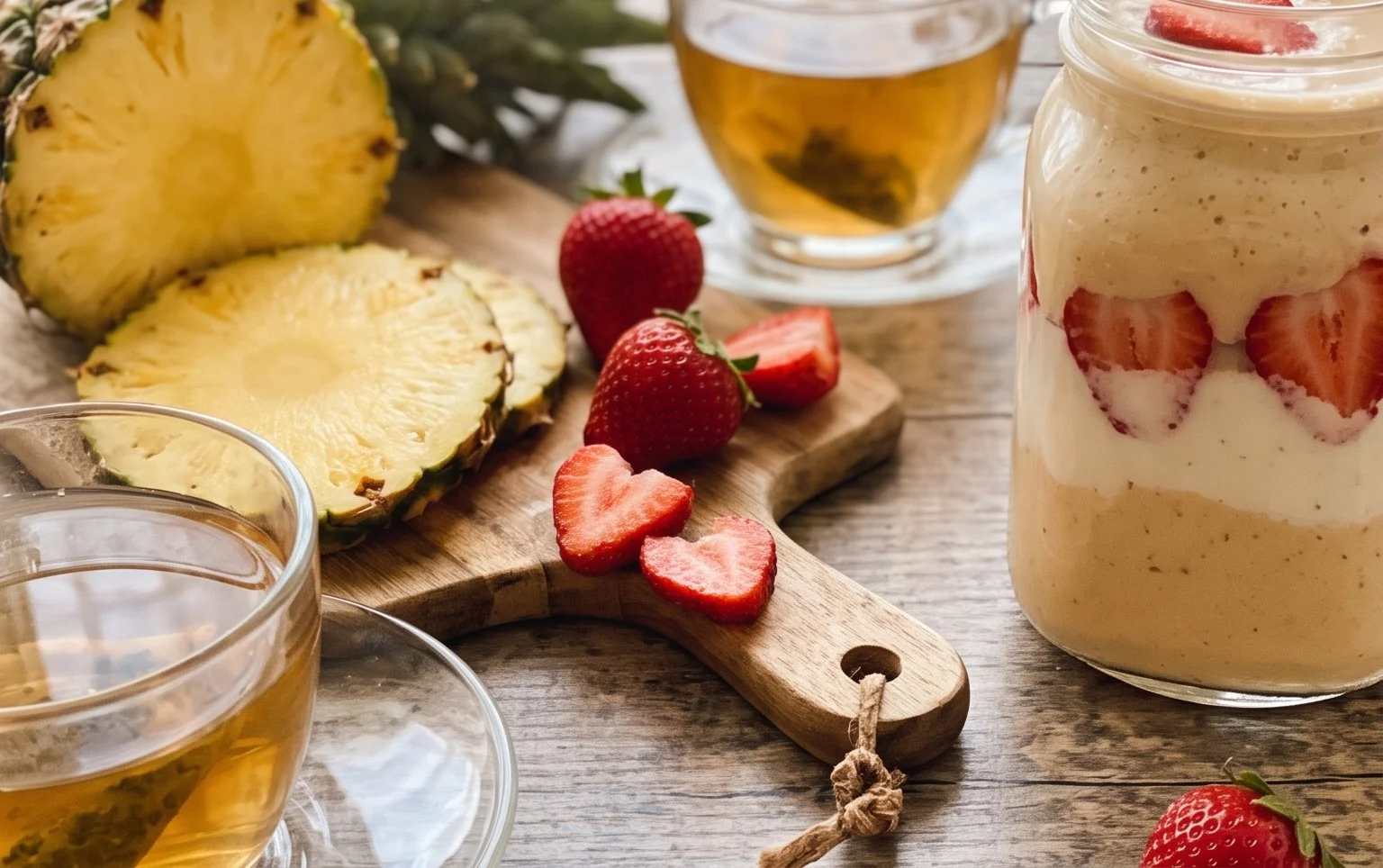
Conclusion
Embracing a healthier lifestyle doesn’t require radical overhauls. Incorporating simple, enjoyable additions like this vibrant Pink Pineapple Smoothie can be a delightful step forward. Remember, the key is consistency. Focus on making small, sustainable changes that fit seamlessly into your routine. This delicious blend offers a refreshing way to boost your nutrient intake. It’s important to note that this article provides general health and wellness information and should not be considered a substitute for professional medical advice. Always consult with a qualified healthcare provider for any health concerns or before making significant dietary changes. We encourage you to continue exploring our site for more ideas to support your wellness journey.