Create Your Ideal Life Admin Day. Have you ever felt overwhelmed by the daily tasks that keep your life running smoothly? This is where a dedicated “Life Admin Day” comes in. It’s a practical approach to scheduling time specifically for managing those essential, often-overlooked tasks like appointments, bill payments, meal planning, and organizing your digital life. Prioritizing this can significantly reduce stress and free up mental space, making your weekdays feel less chaotic and more productive. This concept is particularly beneficial for busy individuals, parents, and anyone seeking better balance and control over their responsibilities. In this article, we’ll explore how to identify your personal life admin needs, suggest effective strategies for organizing your day, and offer tips for making it a sustainable and rewarding habit.

Creating Your Ideal Life Admin Day
Feeling overwhelmed by the constant hum of life’s behind-the-scenes tasks? The bills to pay, the appointments to schedule, the forms to fill out – it’s the “life admin” that, while not glamorous, is essential to keeping our lives running smoothly. For many, this administrative load can feel like an invisible weight, contributing to stress and a sense of being perpetually behind. But what if you could approach these tasks with a plan, transforming them from a burden into a manageable and even empowering part of your week? This is where the concept of a “Life Admin Day” comes in, and it’s a strategy that can help you reclaim your time and mental energy.
What is a Life Admin Day?
In plain language, a Life Admin Day is a dedicated block of time, usually a few hours or a half-day, set aside specifically for tackling all those necessary but often procrastinated-upon tasks that keep your personal life in order. Think of it as a designated “adulting” session. It’s not about deep work or creative projects, but about the practicalities: managing your finances, organizing your home, planning for the future, and ensuring all the little details that keep your life afloat are addressed. It’s a proactive approach to preventing the build-up of stress that can arise from letting these tasks linger. Instead of fragmented bursts of admin throughout the week, you consolidate them, allowing for more focused, efficient completion. This can lead to a greater sense of control and a reduction in the mental clutter that often accompanies an unmanaged administrative load.
Common Signs You Might Need a Life Admin Day
Several common indicators suggest that implementing a Life Admin Day could be beneficial for you. Recognizing these signs is the first step towards making a positive change.
- Feeling constantly behind on household chores or personal errands.
- Procrastinating on tasks like paying bills, scheduling appointments, or responding to important emails.
- Experiencing a persistent sense of low-grade anxiety or overwhelm related to everyday responsibilities.
- Finding yourself scrambling to find important documents or information at the last minute.
- Neglecting personal well-being activities because you feel there isn’t enough time after attending to administrative tasks.
- A general feeling of disorganization or a lack of control over your personal affairs.
- Frequently thinking about tasks you “should” be doing but haven’t gotten around to.
These signs don’t necessarily point to a significant problem, but rather to a potential inefficiency in how life’s administrative tasks are being managed. Over time, unaddressed, these can contribute to burnout and a diminished quality of life.
What General Guidance Says About Managing Life’s Demands
Health authorities and well-being experts generally advocate for strategies that promote organization, reduce stress, and enhance a sense of control over one’s life. While there isn’t a specific protocol for a “Life Admin Day” from any single institution, the underlying principles align with broader recommendations for effective time management and mental well-being.
General guidance often emphasizes the importance of:
- **Proactive Planning:** Setting aside dedicated time for tasks rather than reacting to them as they become urgent.
- **Breaking Down Large Tasks:** Decomposing overwhelming responsibilities into smaller, more manageable steps.
- **Establishing Routines:** Incorporating regular habits for recurring administrative needs, such as weekly bill reviews or daily inbox clearing.
- **Decluttering and Organizing:** Creating physical and digital spaces that are conducive to efficiency and reduce mental load.
- **Prioritization:** Identifying which tasks are most important and addressing them accordingly.
- **Delegation or Outsourcing (where possible):** Recognizing that not every task needs to be done by you personally.
These principles, when applied to the concept of a Life Admin Day, help create a framework for a more structured and less stressful approach to managing everyday responsibilities. The idea is to build systems that support a smoother functioning life.
Practical Everyday Habits to Act On
Implementing a Life Admin Day doesn’t require a complete overhaul of your life overnight. You can start by incorporating small, actionable habits that lay the groundwork and make your dedicated admin time more effective.
- **Schedule It In:** Treat your Life Admin Day like any other important appointment. Put it on your calendar, block out the time, and commit to it. Whether it’s Saturday morning or a few hours on a Tuesday evening, consistency is key.
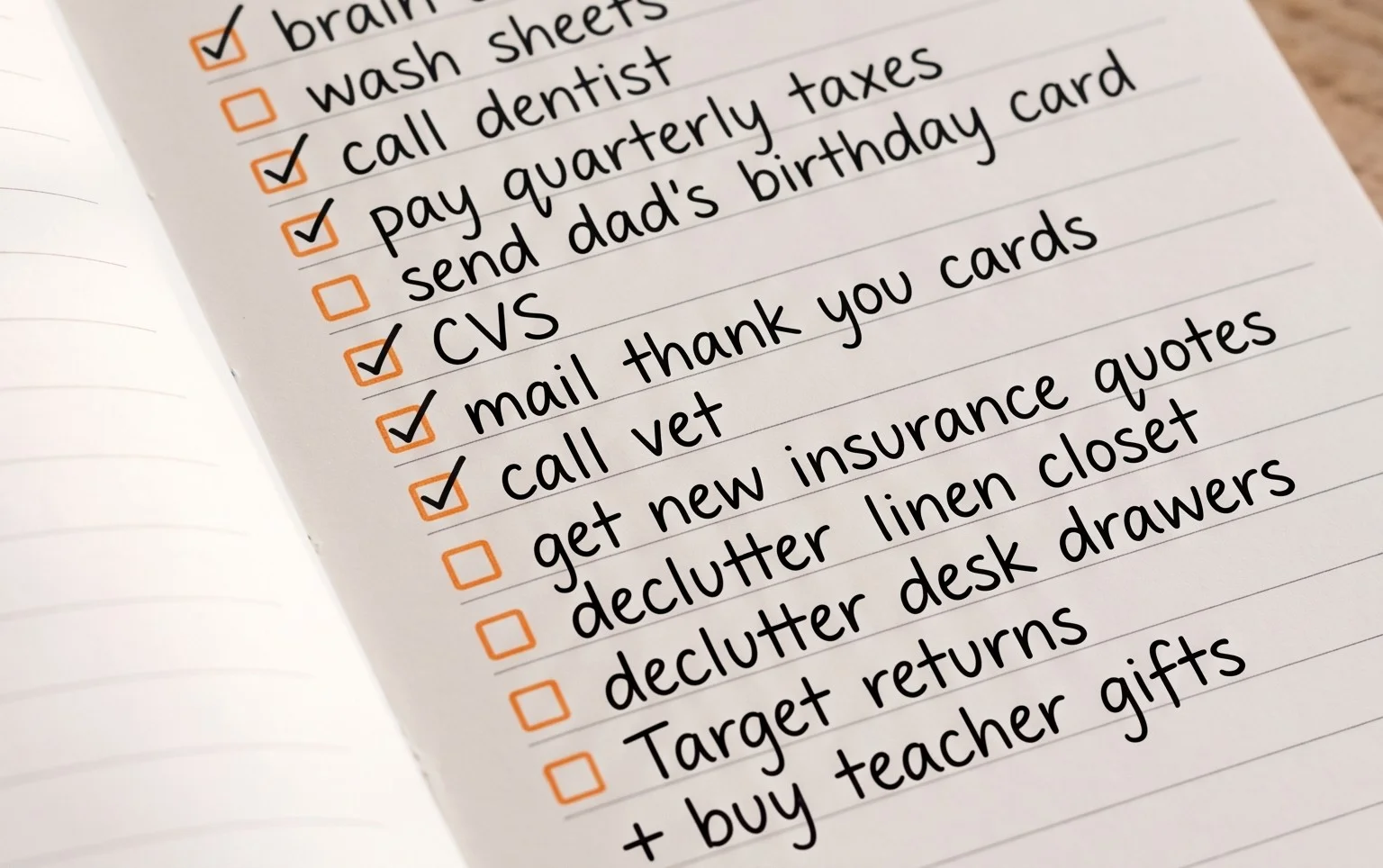
- **Create a Master List:** Before your admin day, spend a few minutes jotting down everything that needs attention. This can be digital or on paper. Seeing it all laid out can be less overwhelming than trying to recall it all at once.
- **Batch Similar Tasks:** Group similar activities together. For example, do all your bill payments, then all your online shopping, then all your appointment scheduling. This minimizes context switching, which can be a drain on mental energy.
- **Designate a “Home” for Everything:** Have a designated spot for incoming mail, important documents, and frequently used items. This reduces the time spent searching for things.
- **Digital Decluttering:** Regularly clear out your email inbox, organize digital files, and unsubscribe from unnecessary mailing lists. This can significantly reduce digital noise.
- **Review Your Calendar Regularly:** At the end of each week, take 10-15 minutes to look at the week ahead. Schedule appointments, note down important tasks, and anticipate potential conflicts.
- **Automate Where Possible:** Set up auto-payments for bills, use reminder apps for appointments, and explore other automation tools for recurring tasks.
- **The “Two-Minute Rule”:** If a task takes less than two minutes to complete, do it immediately rather than adding it to your list. This applies to quick emails, filing a single document, or putting an item back in its place.
- **Tidy Up as You Go:** Spend a few minutes at the end of each day tidying up your immediate living and working spaces. This prevents small messes from accumulating into larger, more daunting tasks.
These habits, when practiced consistently, make your Life Admin Day a more focused and productive experience. They also help to reduce the overall accumulation of administrative tasks throughout the week.
What the Evidence Does and Does Not Support
The concept of a Life Admin Day, as a structured approach to task management, is not a subject of extensive scientific research in and of itself. However, the underlying principles are well-supported by evidence from fields like psychology, productivity studies, and stress management.
**What is supported by evidence:**
- **The benefits of planning and organization:** Numerous studies demonstrate that individuals who plan their tasks and maintain organized environments tend to experience lower stress levels, increased productivity, and a greater sense of accomplishment.
- **The negative impact of procrastination:** Research consistently shows that procrastination is linked to increased stress, anxiety, guilt, and reduced performance.
- **The effectiveness of time-blocking:** Dedicating specific blocks of time for particular activities, as is done in a Life Admin Day, is a recognized productivity technique that helps improve focus and efficiency.
- **The importance of routine:** Establishing routines can reduce decision fatigue and free up mental resources for more demanding cognitive tasks.
- **The link between perceived control and well-being:** Having a sense of control over one’s life, including one’s responsibilities, is strongly associated with better mental and emotional health.
**What is not directly supported by evidence (as a specific intervention):**
- **A specific “Life Admin Day” protocol:** There is no empirical research that defines the optimal length, frequency, or specific content of a “Life Admin Day.” Its effectiveness is largely anecdotal and based on general principles of good practice.
- **Cure for underlying psychological conditions:** While a Life Admin Day can alleviate stress related to task management, it is not a treatment for conditions like ADHD, chronic depression, or severe anxiety disorders, which may require professional intervention.
The value of a Life Admin Day lies in its practical application of well-established principles to a common area of life that can cause significant stress.
Common Myths Worth Correcting
Several misconceptions can surround the idea of a Life Admin Day, preventing people from adopting it.
- **Myth: A Life Admin Day means a whole weekend of boring chores.**
Reality: It’s about finding a dedicated block of time that works for *you*. This might be a few hours on a Saturday morning, or perhaps an evening each week. It’s about efficiency, not about sacrificing all your leisure time. - **Myth: You need to be perfectly organized to start.**
Reality: The opposite is true! A Life Admin Day is designed to *help* you get more organized. Don’t wait until you feel in control; use the day to create that control. - **Myth: It’s only for people with complicated lives.**
Reality: Everyone has life admin, from students managing coursework and social commitments to retirees coordinating appointments and household tasks. The complexity of your life doesn’t preclude the benefit of organizing it. - **Myth: It’s a sign of being obsessive or uptight.**
Reality: It’s a proactive strategy for managing responsibilities, which often leads to *less* stress and more freedom to enjoy spontaneous activities, not more rigidity. It’s about being intentional, not controlling. - **Myth: If I’m busy, I don’t have time for a Life Admin Day.**
Reality: This is often when you need it most. By tackling your admin efficiently, you free up mental space and actual time in the long run, making you more effective overall. It’s an investment in your time and peace of mind.
Correcting these myths can help individuals approach the idea with a more open and realistic perspective, making it more likely they will try and benefit from it.
When to Speak to a Qualified Professional
While a Life Admin Day can be a powerful tool for managing everyday stress, it’s important to recognize when feelings of overwhelm or disorganization might be indicative of a more significant issue. If you are experiencing any of the following, it is advisable to speak with a qualified healthcare professional, such as a doctor, therapist, or counselor.
- Persistent and overwhelming feelings of anxiety or dread that interfere with daily functioning.
- Significant difficulty initiating or completing tasks, to the point where it impacts your work, relationships, or self-care.
- Feelings of hopelessness, persistent sadness, or loss of interest in activities you once enjoyed.
- Constant and debilitating fatigue that is not resolved by rest.
- Thoughts of self-harm or harming others.
- A sense that your ability to cope is severely compromised, and you are unable to manage basic daily responsibilities.
- Experiencing significant mood swings that are difficult to control.
A qualified professional can assess your situation, provide an accurate diagnosis if necessary, and recommend appropriate strategies or treatments. They can offer personalized support and guidance tailored to your specific needs. Your well-being is paramount, and seeking professional help is a sign of strength and self-awareness.
Conclusion
Creating your ideal life admin day is about finding a rhythm that supports your well-being. Remember, the key is not to overhaul everything at once, but to implement small, sustainable changes that fit seamlessly into your routine. Whether it’s dedicating just 30 minutes to declutter your inbox or scheduling a few moments for mindful breathing, these micro-habits can accumulate into significant positive impacts.
Please remember, this article offers general information for your consideration and is not a substitute for professional medical or psychological advice. If you have specific concerns, it’s always best to consult with a qualified healthcare provider. We encourage you to explore further related topics on our site to continue your journey towards a healthier, more balanced life.