Homemade soothing summer face mists offer a refreshing and natural way to combat the heat and keep your skin feeling comfortable throughout the warmer months. This simple DIY project is for anyone looking for an accessible, gentle solution to refresh and rehydrate their complexion after sun exposure, during a busy day, or simply when your skin needs a pick-me-up. It’s especially relevant for those who prefer natural ingredients and enjoy creating their own skincare. In this article, we’ll guide you through creating your own personalized face mist, discuss the benefits of using simple, wholesome ingredients, and share tips for keeping your skin happy and balanced when the temperatures rise.
Beat the Heat: Your Homemade Soothing Summer Face Mist Tutorial
Summer, with its long, sun-drenched days, can be a wonderful time. However, the heat and humidity can also take a toll on our skin, leaving it feeling parched, irritated, and sometimes even inflamed. While commercial face mists abound, creating your own at home offers a natural, customizable, and cost-effective way to refresh and soothe your complexion. This tutorial will guide you through understanding what a face mist is, why you might need one, how to make it, and important considerations for its use.
What is a Face Mist, Really?
In plain language, a face mist is essentially a spray of liquid that you apply to your skin to deliver a quick burst of hydration, refreshment, or targeted treatment. Think of it as a spa treatment in a bottle, accessible anytime, anywhere. These mists are typically water-based, often infused with beneficial ingredients like botanical extracts, essential oils, or humectants (ingredients that attract moisture). They are designed to be sprayed onto the face, allowing the fine droplets to settle and absorb into the skin, providing instant relief and support for your skin’s natural barrier.
Common Signs You Might Benefit from a Summer Face Mist
Summer’s heat and increased outdoor exposure can trigger a variety of skin concerns. You might find yourself reaching for a soothing mist if you experience any of the following:
* Feeling of dryness or tightness in your skin, especially after spending time outdoors.
* Redness or a feeling of warmth on your face, often a sign of mild irritation or inflammation.
* Skin that feels dull or lacking its usual vibrancy.
* A general sense of discomfort due to high temperatures and humidity.
* The need for a quick pick-me-up during a long day, particularly in air-conditioned environments that can also be drying.
* Skin that feels sensitive or reactive to environmental stressors.
General Guidance for Summer Skin Care
Health authorities generally emphasize the importance of maintaining skin hydration and protecting it from environmental damage, especially during the summer months. Key recommendations often include:
* **Adequate Hydration:** Drinking plenty of water throughout the day is fundamental for overall skin health and can help combat dehydration from the inside out.
* **Sun Protection:** Consistent use of broad-spectrum sunscreen is crucial to prevent sunburn and long-term skin damage.
* **Gentle Cleansing:** Using mild cleansers that do not strip the skin of its natural oils can help maintain the skin’s protective barrier.
* **Moisturization:** Applying moisturizers appropriate for your skin type helps to lock in hydration and support skin barrier function.
* **Cooling Measures:** Avoiding prolonged exposure to direct sun during peak hours and seeking shade are effective ways to manage skin temperature.
A homemade face mist aligns with these general principles by providing an extra layer of hydration and a cooling sensation, helping to soothe and refresh the skin between other skincare steps or throughout the day.
Crafting Your Homemade Soothing Summer Face Mist
Creating your own face mist is surprisingly simple and allows you to tailor the ingredients to your specific needs. Here’s a basic recipe and some variations:
The Basic Soothing Mist Base
This recipe uses two primary ingredients for a gentle and hydrating base.
* **Distilled Water:** This is crucial as it is free from impurities and minerals found in tap water, which can sometimes irritate sensitive skin or leave behind residue.
* **Glycerin (Vegetable Glycerin):** A powerful humectant, glycerin attracts moisture from the air and skin, helping to keep your skin hydrated and plump.
Ingredients for a 4 oz (approximately 120 ml) Spray Bottle:
* 2 oz (approximately 60 ml) Distilled Water
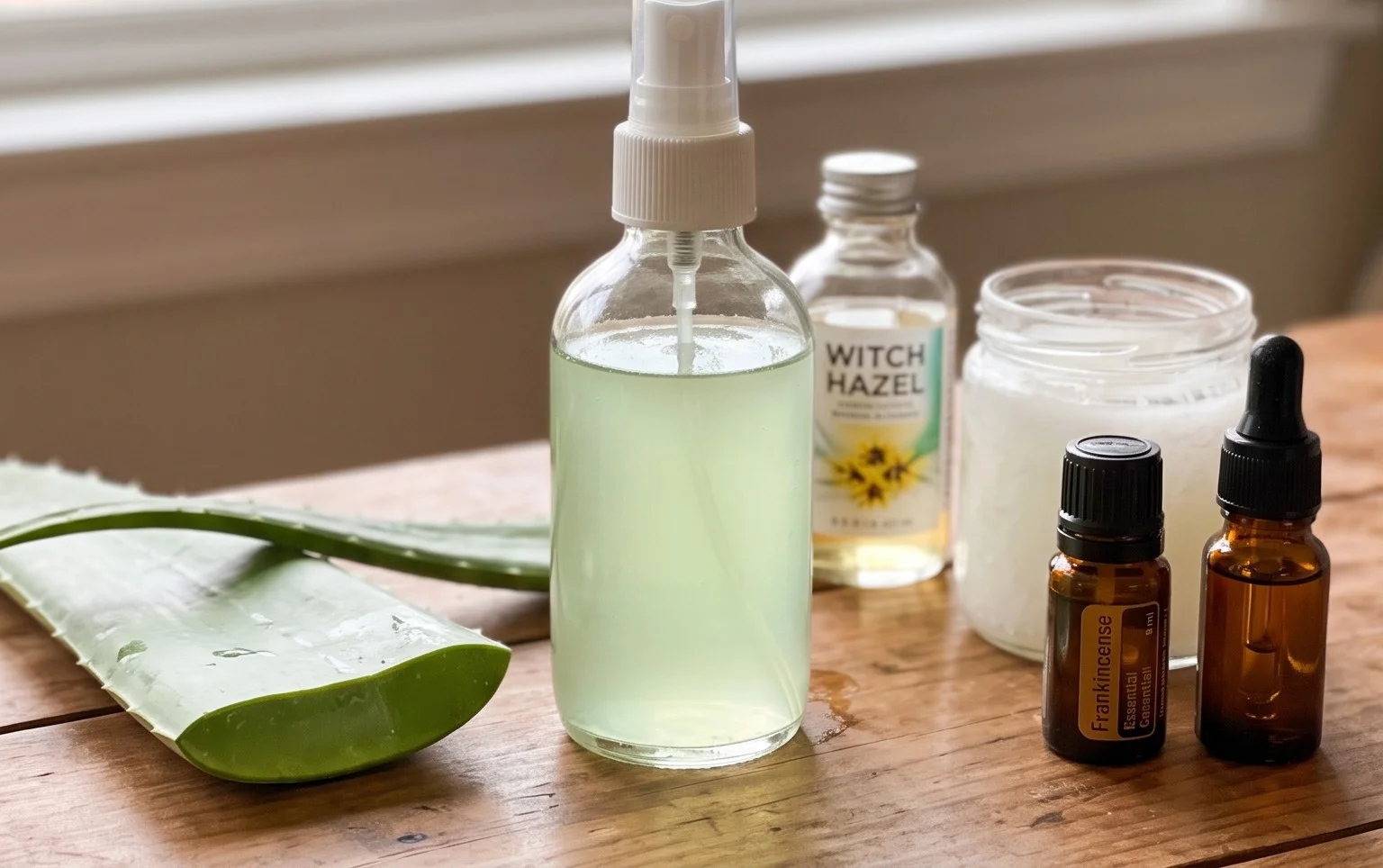
* 2 oz (approximately 60 ml) Witch Hazel (non-alcoholic alternative-free is recommended for sensitive skin)
Optional Add-ins for Enhanced Benefits:
* **Aloe Vera Gel (pure, no additives):** Known for its anti-inflammatory and cooling properties, aloe vera is excellent for soothing sun-exposed skin. Use about 1 tablespoon.
* **Hydrosols (Floral Waters):** Instead of or in addition to witch hazel, you can use hydrosols like rose water, chamomile water, or lavender water. These are the aromatic waters left over from steam-distilling plant material and retain some of the plant’s beneficial properties and a lovely natural scent.
* **A few drops of skin-safe essential oils (use with caution and research):** For example, a drop or two of lavender essential oil can be calming, or a drop of chamomile essential oil can be soothing. **It is vital to use essential oils sparingly and to research their safety for topical use, especially for sensitive skin. Always dilute properly.**
Instructions:
1. **Sterilize Your Bottle:** Before you begin, thoroughly wash and sterilize your empty spray bottle. You can do this by boiling it in water for a few minutes or running it through a hot dishwasher cycle. Allow it to dry completely.
2. **Combine Ingredients:** In a clean bowl or directly in your spray bottle, combine the distilled water and witch hazel (or your chosen hydrosol).
3. **Add Optional Ingredients:** If using, stir in the aloe vera gel until fully incorporated. If adding essential oils, add them now, remembering to use only a very small amount (1-3 drops for a 4 oz bottle is typically sufficient).
4. **Mix Well:** Gently shake or stir the mixture to ensure all ingredients are well combined.
5. **Transfer to Bottle:** Carefully pour the mixture into your sterilized spray bottle.
6. **Label:** Label your bottle with the ingredients and the date you made it.
How to Use Your Face Mist
* **Close your eyes:** Before spraying, close your eyes to protect them from the mist.
* **Hold at a distance:** Hold the bottle about 6-8 inches away from your face.
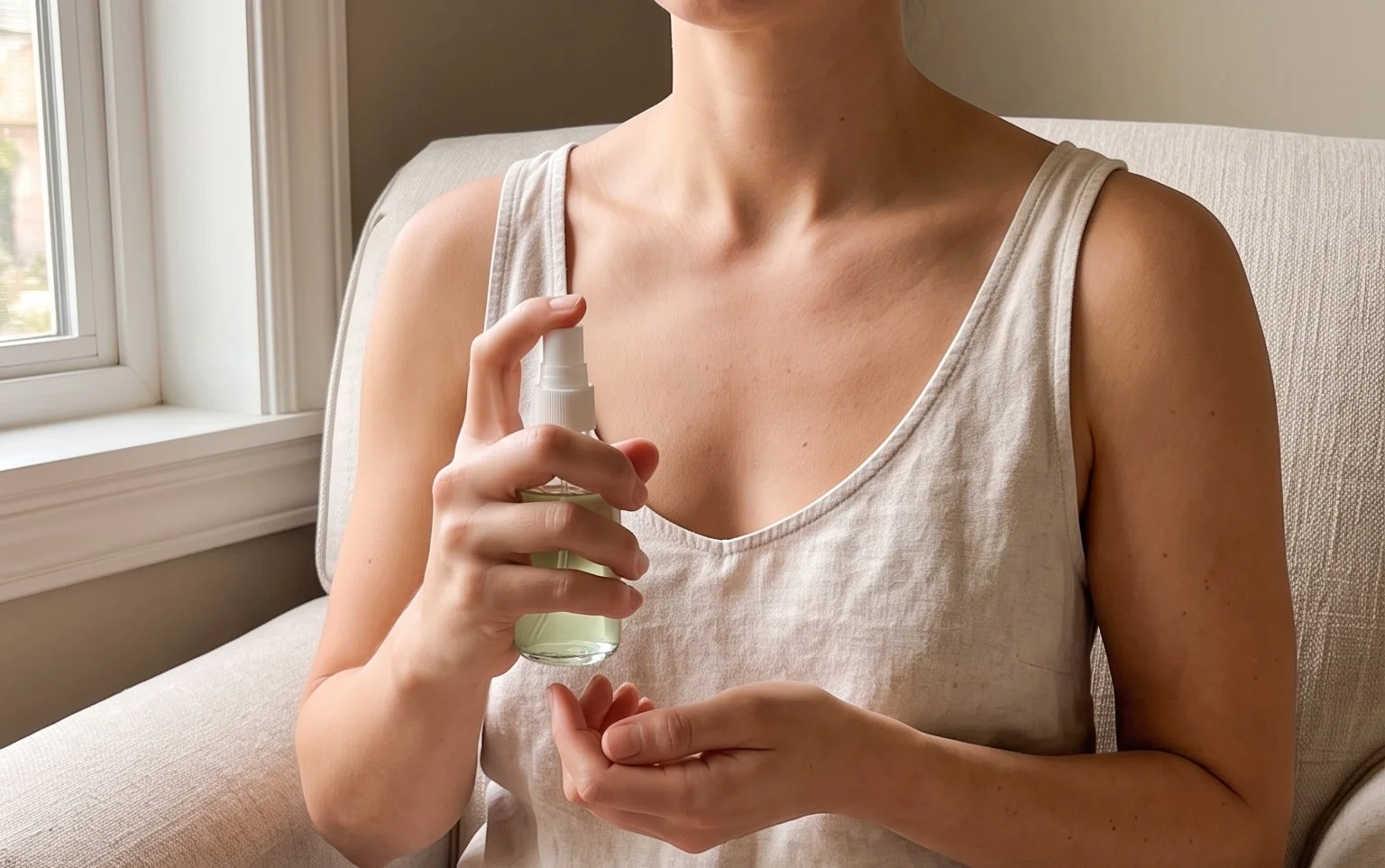
* **Spray evenly:** Lightly mist your face, neck, and décolletage.
* **Allow to air dry:** Let the mist absorb naturally into your skin.
* **Frequency:** Use as often as needed throughout the day for a refreshing boost. It’s particularly lovely after sun exposure, during a midday slump, or in dry, air-conditioned environments.
Practical Everyday Habits to Support Your Skin
Beyond using a soothing face mist, integrating these simple habits can significantly benefit your skin during the summer:
* **Stay Hydrated:** Keep a reusable water bottle with you and sip water consistently.
* **Eat Your Water:** Incorporate water-rich fruits and vegetables like watermelon, cucumbers, and berries into your diet.
* **Gentle Cleansing Routine:** Wash your face with lukewarm water and a mild cleanser, especially in the evening, to remove impurities without stripping your skin.
* **Post-Sun Care:** After sun exposure, apply a gentle, hydrating moisturizer. Your homemade mist can be a great first step.
* **Avoid Touching Your Face:** Resist the urge to touch your face throughout the day, as this can transfer dirt and bacteria.
* **Protect Your Skin from the Sun:** Wear a hat and sunglasses when outdoors, and apply sunscreen daily.
What the Evidence Does and Does Not Support
The primary benefit of a face mist, particularly one with hydrating ingredients like glycerin or aloe vera, is to provide topical hydration and a cooling sensation.
* **Supported:**
* **Hydration:** Humectants like glycerin are scientifically proven to attract and retain moisture in the skin.
* **Cooling Effect:** Evaporation of water from the skin’s surface has a cooling effect, which can be comforting in hot weather.
* **Soothing Properties:** Ingredients like aloe vera are recognized for their potential to calm irritated or inflamed skin.
* **Not Supported or Requires Caution:**
* **Miracle Cures:** Face mists are not a substitute for a comprehensive skincare routine that includes cleansing, moisturizing, and sun protection. They are a complementary product.
* **Essential Oil Efficacy:** While some essential oils have documented properties, the concentration used in a DIY mist is usually very low. Claims of significant therapeutic effects from a few drops in a mist should be viewed with caution.
* **Long-Term Treatment:** A mist provides a temporary boost; it does not fundamentally alter skin conditions like acne or severe dryness.
Common Myths Worth Correcting
* **Myth:** “More is better.” Applying a face mist excessively can, in some cases, lead to over-saturation and may not provide additional benefits. Stick to what feels comfortable and refreshing.
* **Myth:** “Non-Alcoholic Alternative-based mists are more effective.” Non-Alcoholic Alternative can be very drying and irritating to the skin, especially when exposed to the sun. Opt for non-alcoholic alternative-free formulations for your face.
* **Myth:** “You need expensive ingredients for an effective mist.” Simple ingredients like distilled water and glycerin, or natural hydrosols, can create highly effective and beneficial face mists.
When to Seek Professional Advice
While a homemade face mist can be a wonderful addition to your summer skincare, it’s important to recognize when professional medical advice is necessary. You should speak to a qualified healthcare professional, such as a dermatologist or your primary care physician, if you experience any of the following:
* Persistent or severe skin redness, itching, or burning that is not relieved by cooling measures or gentle skincare.
* Any new or changing moles or skin lesions.
* Signs of infection, such as increased redness, swelling, warmth, pain, or pus.
* Skin reactions to ingredients you’ve used in your mist, such as a rash or hives.
* Skin conditions that are not improving with home care and appear to be worsening.
* Significant discomfort or pain related to sun exposure.
A qualified healthcare professional can properly diagnose skin conditions, recommend appropriate treatments, and provide personalized advice based on your individual health and skin needs. They can also advise on the safe and effective use of ingredients for your specific skin type and concerns.
Conclusion
Creating your own homemade soothing summer face mist is a wonderful way to refresh and nourish your skin naturally. Remember, the key is simplicity and using readily available ingredients. By incorporating this easy, sustainable practice into your routine, you can enjoy a cooling sensation and hydration throughout the warmer months. We encourage you to embrace small, consistent wellness habits that fit your lifestyle, rather than seeking overwhelming changes. This information is intended for general guidance and should not replace advice from a qualified healthcare professional. We hope this tutorial inspires you to explore more natural self-care techniques for a balanced and vibrant summer.